From Sign-Up to Secure Storage: How a Crypto App Should Work for Users
A crypto app can provide access to digital assets through a mobile interface that may support account creation, deposits, purchases, sales, portfolio tracking, transfers, and other crypto-related functions. For beginners, this can make digital assets easier to access, but the simplicity of an app should not hide the complexity of the underlying risks.
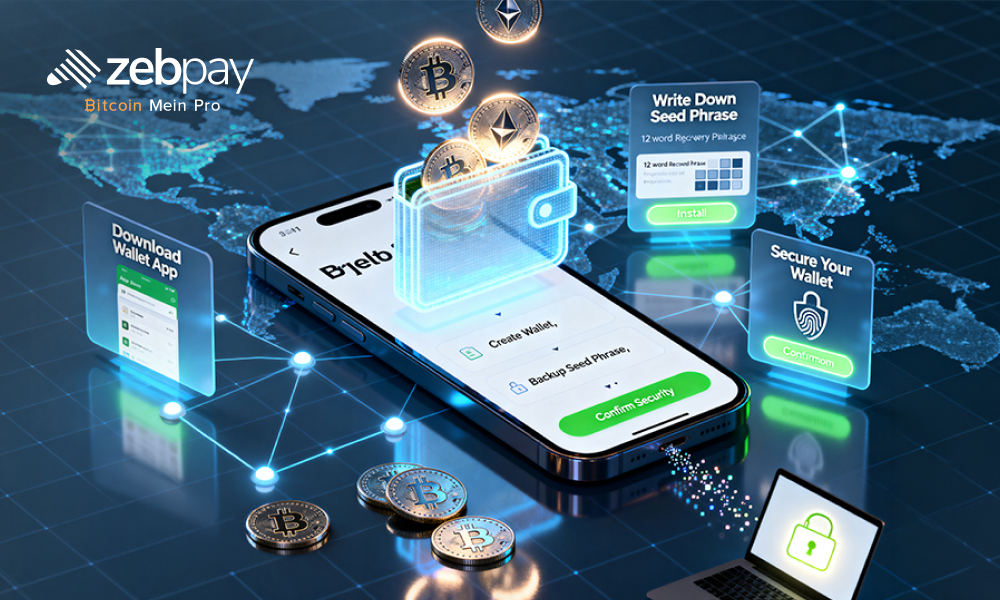
Before using one, users should understand which entity operates the platform, what assets are supported, how custody works, what fees apply, whether withdrawals are available, and how account security is handled. A good crypto experience begins with understanding the platform before depositing meaningful amounts of money.
Anyone planning to buy crypto should first decide which asset they are considering, why they want exposure to it, how much loss they can tolerate, and whether the app provides clear information about fees, custody, and withdrawals.
Start With the Platform Behind the App
The app interface may be the first thing users see, but the operating entity matters more.
Before opening an account, review:
- Legal entity name
- Website and contact details
- Terms of service
- Privacy policy
- Customer support
- Applicable compliance information
Users should avoid assuming that an app is trustworthy simply because it has a polished design.
Financial platforms should be evaluated based on transparency and operational controls.
Understand What Services the App Actually Provides
Not every crypto app offers the same functionality.
Possible services may include:
- Spot trading
- Recurring purchases
- Crypto deposits
- Crypto withdrawals
- Wallet services
- Price tracking
- Portfolio monitoring
- Stablecoin access
Some platforms may provide only selected functions.
A user who wants to transfer crypto to an external wallet should verify that withdrawals are supported before depositing funds.
Asset Availability Should Not Drive Investment Decisions
An app may list dozens or hundreds of digital assets.
That does not mean every listed token is suitable.
Users should examine:
- Project purpose
- Supply structure
- Liquidity
- Market history
- Network activity
- Risks
A large asset catalogue can increase choice, but it can also encourage speculative purchases without proper research.
Know the Difference Between Buying and Trading
Buying an asset for longer-term exposure differs from actively trading price movements.
A longer-term user may focus on:
- Project fundamentals
- Network adoption
- Supply structure
- Long-term risk
An active trader may focus more on:
- Price movement
- Volume
- Liquidity
- Order types
- Short-term market conditions
The app may support both, but users should know which approach they are taking.
Check How the App Holds Crypto
Custody is one of the most important considerations.
Custodial Model
The platform controls the private keys on behalf of the user.
This can simplify account access, but users depend on the platform's security and withdrawal availability.
Self-Custody Model
Users control the private keys directly.
This offers more direct control but also increases personal responsibility.
Losing a recovery phrase can result in permanent loss of access.
Wallet Access Should Be Understood Before Funding
Users should know whether crypto purchased in the app can be:
- Withdrawn externally
- Sent to another wallet
- Held only inside the platform
- Transferred across multiple supported networks
These differences matter.
Owning a balance displayed in an app is not always operationally identical to holding assets in a self-custody wallet.
Deposit Methods Can Affect Cost
Crypto apps may support different funding methods.
Depending on the platform and location, these may include:
- Bank transfer
- Supported payment rails
- Cards
- Other authorised methods
Users should check:
- Deposit fee
- Processing time
- Minimum amount
- Funding limits
The fastest method is not necessarily the cheapest.
Trading Fees Need Attention
Buying and selling crypto can involve costs such as:
- Maker fees
- Taker fees
- Spread
- Conversion charges
A small percentage can become significant for frequent traders.
Before placing an order, users should understand how the app charges for transactions.
Withdrawal Fees Can Be Different From Trading Fees
A user may buy crypto cheaply but pay more to withdraw it.
Possible withdrawal costs may include:
- Platform withdrawal fee
- Blockchain network fee
- Minimum withdrawal amount
These should be checked before choosing where to hold assets.
Market Orders Prioritise Speed
A market order usually attempts to execute immediately at available market prices.
This can be useful when speed matters.
However, the final execution price may differ from the last displayed price.
This difference can become larger in:
- Volatile markets
- Low-liquidity assets
- Large orders
Users should not assume that the visible price is guaranteed.
Limit Orders Give More Price Control
A limit order allows users to specify the price at which they are willing to transact.
This gives greater control over execution.
However, the order may not fill if the market never reaches that level.
Understanding the difference between market and limit orders can improve trade execution.
Liquidity Matters More Than Many Beginners Realise
Liquidity affects how easily an asset can be bought or sold.
A liquid market often has:
- More active buyers and sellers
- Narrower bid-ask spreads
- Better order depth
Illiquid assets may experience larger price swings and more slippage.
The number of listed tokens is less important than the quality of the markets users actually intend to trade.
Portfolio Tracking Can Improve Discipline
A good crypto app may display:
- Current holdings
- Average purchase price
- Current market value
- Profit or loss
- Allocation by asset
These tools can help users understand how concentrated their portfolio has become.
For example, if one volatile token grows to dominate the portfolio, the user may be taking more risk than originally planned.
Price Alerts Should Support a Strategy
Price notifications can be useful when connected to a specific plan.
They may help users monitor:
- Entry levels
- Exit levels
- Major market movements
However, constant alerts can also encourage emotional overtrading.
Users should configure notifications based on actual decision points rather than every small price change.
Avoid Buying Because an Asset Is Trending
Popular assets often appear prominently inside apps.
This can increase fear of missing out.
Users should avoid buying solely because:
- Price is rising rapidly
- The token is trending
- Social media is discussing it
- The app highlights it
A trending asset can reverse sharply.
Research should come before the transaction.
Understand Stablecoins Separately
Some crypto apps also support stablecoins.
These are generally designed to maintain a relatively stable value against another asset, such as a fiat currency.
However, stablecoins can still involve:
- Issuer risk
- Reserve risk
- Platform risk
- Regulatory risk
- Temporary deviations from the target value
Stable does not mean risk-free.
Security Should Be Configured Before Depositing Money
Users should set up account protection early.
Useful measures may include:
- Strong unique password
- Two-factor authentication
- Withdrawal confirmation
- Login alerts
- Device lock
Security should not be postponed until after the account grows in value.
Watch for Phishing
Fraudsters may create fake:
- Login pages
- Support accounts
- Mobile apps
- Emails
- Social-media profiles
Users should avoid logging in through unexpected links.
Opening the official app directly or using a saved verified website can reduce phishing risk.
Never Share Recovery Phrases
If the app involves self-custody, the recovery phrase should remain private.
It should never be sent to:
- Support staff
- Social-media contacts
- Unknown websites
- Wallet recovery services
Anyone with the phrase may be able to control the wallet.
Use Test Transfers When Appropriate
Sending crypto to an external wallet can involve irreversible mistakes.
Before a large transfer, users may consider a small test transaction.
This can help verify:
- Address
- Network
- Wallet compatibility
The user should balance the added network fee against the value of reducing operational risk.
Network Selection Is Critical
Some assets can exist across multiple blockchain networks.
When withdrawing, the sending and receiving network must be compatible.
Users should verify:
- Token
- Network
- Destination address
- Additional memo or tag where required
Choosing the cheapest network without checking compatibility can lead to serious problems.
Keep Records of Transactions
Users should maintain records of:
- Purchases
- Sales
- Transfers
- Fees
- Deposits
- Withdrawals
These records can support:
- Portfolio review
- Tax reporting
- Cost analysis
- Dispute resolution
Relying only on memory becomes difficult as transaction volume grows.
Avoid Using Essential Money for Crypto
Funds required for:
- Rent
- EMIs
- Medical costs
- Education
- Emergency savings
should not be exposed casually to crypto volatility.
Digital assets can experience sharp declines.
Position size should reflect the user's ability to tolerate loss.
Be Cautious With Leverage
Some apps may provide leveraged trading products.
Leverage can magnify both gains and losses.
A small adverse price movement can produce a much larger percentage loss on the trader's capital.
Users should understand:
- Margin requirements
- Liquidation risk
- Product rules
Leverage is not simply a faster way to invest.
Review the App's Exit Process
Users often focus on getting money into a platform.
They should also understand how to get it out.
Before committing significant funds, check:
- Crypto withdrawal process
- Fiat withdrawal options
- Processing times
- Limits
- Fees
- Identity checks
A good platform should make both entry and exit conditions transparent.
Selling Requires the Same Planning as Buying
Users should decide in advance what might lead them to reduce or close a position.
Before choosing to sell crypto, consider whether the decision is based on:
- A planned target
- Portfolio rebalancing
- Changed investment thesis
- Need for liquidity
- Risk reduction
Selling only because of sudden fear can be just as emotional as buying because of hype.
Conclusion
A crypto app can make digital asset access more convenient, but users still need to evaluate the platform, custody structure, fees, liquidity, withdrawals, security, and the risks of the assets themselves.
The best use of an app is not simply completing transactions quickly. It is giving users enough information and control to make deliberate decisions about what they hold, how much they risk, and how securely they manage their assets.
Convenience should support informed participation rather than encourage impulsive trading.